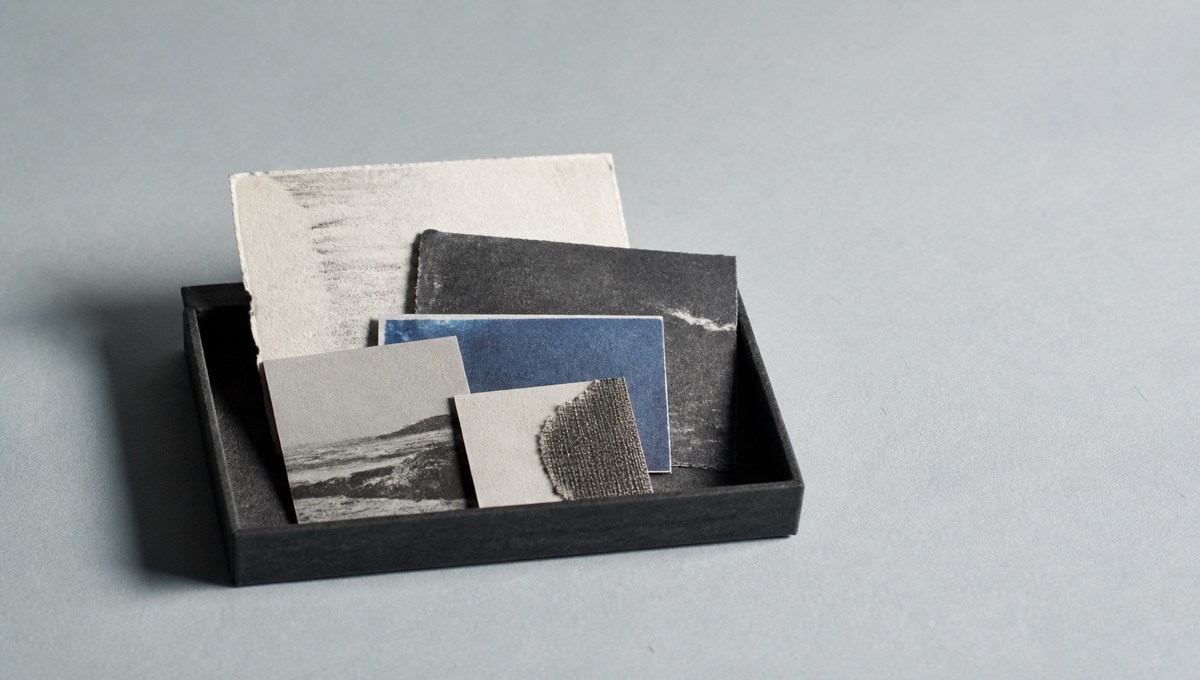
I have a bad habit of saving things I like.
An image from a website. A screenshot of a good interface. A YouTube video I want to come back to. A post with one sentence that makes me stop scrolling. I save all of it. I always have.
For a while, I treated this as a bookmark problem. I made folders. I tried different read-it-later apps. I sent links to myself. The result was usually the same: a long list of things I had technically kept, but could no longer see or feel. A bookmark tells me where something was. It does not give me the thing.
That distinction started to bother me.
I did not want another service that promised to organise the internet for me. I wanted a place for my collection. Something closer to a drawer of interesting objects than a filing cabinet full of URLs.
That is why I built Trove.
The first version was deliberately small. I wanted to drag an image into a window, paste a link, or press ⌘V and have the thing land on my Mac. No form. No decision about the perfect folder. No ceremony. Just a little Saved ✓ and the new item appearing at the top of the wall.
The speed matters because collecting is a reflex. If I have to stop and describe something before I save it, I probably will not save it. Trove gives me an inbox for that first moment. I can throw things in unsorted and decide what they mean later, when I am browsing the collection rather than interrupting the discovery.
The wall is important too. I wanted to see the actual things I had kept, not a table of records about them. Images stay images. Links get a preview and their domain. Videos keep their thumbnail. The layout is a masonry wall, so the collection feels a little accidental and alive. It is closer to pinning references around a studio than managing a database.
This is where the product designer in me kept getting involved.
The obvious design would have been a grid with a search field and a set of filters. Useful, perhaps, but not really the point. The point is the feeling of finding something again. I wanted the object to do most of the talking, with the metadata quietly available when I need it: source, title, author, notes, tags, colours, and a button to open the original or reveal the file in Finder.
I also wanted the app to stay out of the way. Trove is a Mac app, built with Tauri, React, TypeScript, and Rust. That description makes it sound more complicated than it feels. The useful part is that it can handle the things I actually collect: files, pasted images, ordinary links, YouTube videos, and eventually social posts. It fetches enough context to make a link recognisable, but it does not turn every save into a research project.
The more important choice is where the data lives.
The library is a folder on my computer, inside my Osaka vault. The images and other assets are plain files. The notes are readable Markdown sidecars. Trove uses a database to make the wall and search fast, but the database is an index, not the only copy of my collection. If the app disappears, the files are still there. I can open them in Finder, inspect them in Obsidian, back them up, or build something else on top of them later.
That feels obvious to me now. It did not feel obvious when most saving tools were designed around keeping a pointer to something online. I am not trying to own the internet. I am trying to keep the small pieces that caught my attention.
There are plenty of things Trove is not. It is not a social feed, a recommendation engine, or a knowledge-management system that tells me what matters. It does not try to turn my taste into a score. It is not another place to perform being organised.
It is a collection.
I built it because I wanted to save things differently. Now, when I find something good, I do not ask whether I will remember the link. I ask whether I want to keep the thing. If the answer is yes, it goes into Trove, where it can wait for me until I am ready to look again.